ASICS
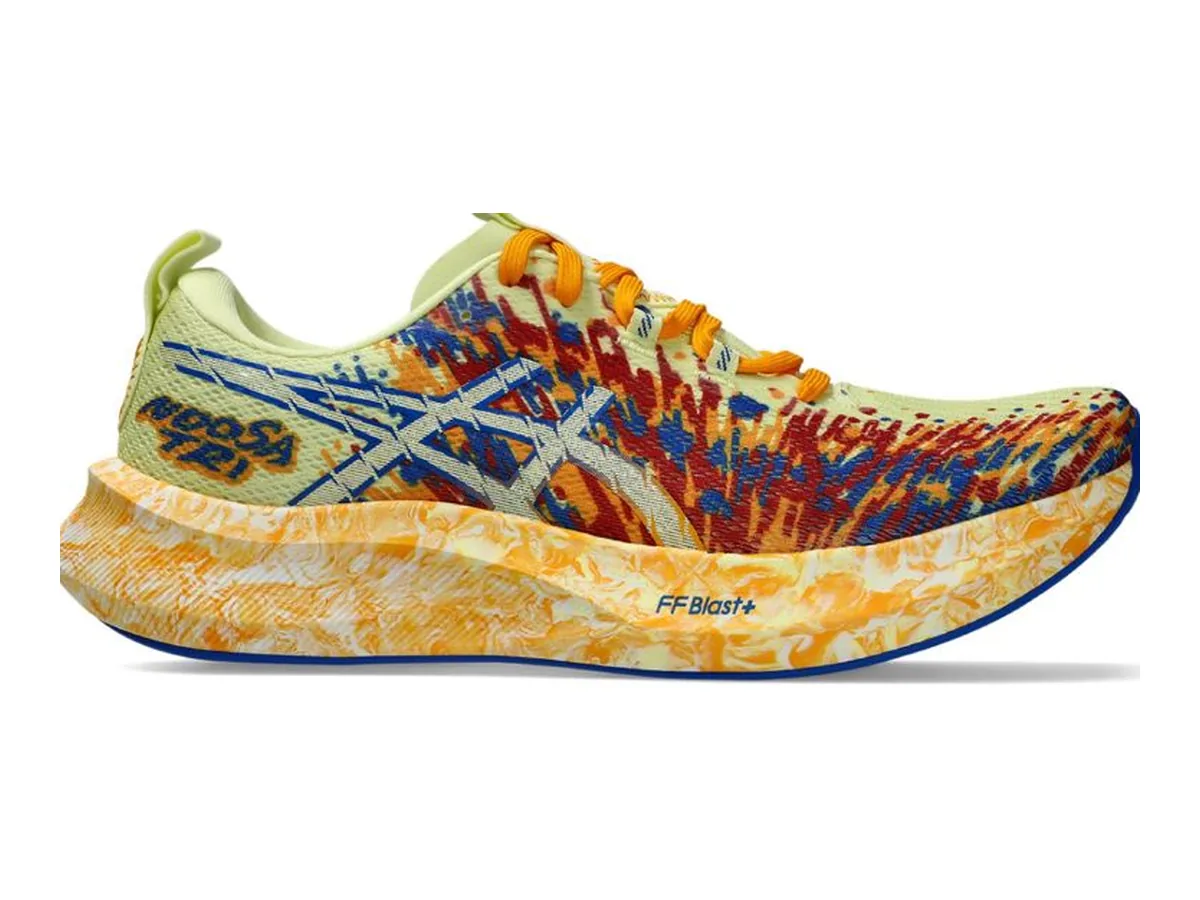
Noosa Tri 16
220 g of FF Blast Plus for ₹6,000, my best value-for-money shoe of 2025
Reviewed 8 Dec 2025, Balaji Manoharan
Expected sale price: ₹4,000 – ₹8,000
Some shop links earn me a small commission at no extra cost to you. It never decides a rating.
- Bought with my own money
- 21.1 km longest run
My verdict
The Noosa Tri 16 is the most underrated ASICS shoe and my best value-for-money shoe of 2025; at the ₹6,000 I paid, I see no negatives. It suits fast runners with strong, stable ankles, not absolute beginners.
Pros
- Highly energetic FF Blast Plus foam
- Very light at 220 g
- Light, breathable upper
- Good lacing and a decent heel counter
- Durable, high-traction outsole
- Outstanding value at ₹6,000 or less
Cons
- Low stability for weak or unstable ankles
- Snug, narrow fit with limited toe box space
- Aggressive rocker for fast running, not for absolute beginners
Avoid if
Avoid it, or try it in a store first, if you are a beginner, overpronate, need ankle stability, have narrow-fit issues or dislike rockers.
220g
Weight
7mm
Drop
35mm
Heel stack
28mm
Forefoot stack
Scores
Ride
8.0/10
FF Blast Plus gives a highly energetic ride with a rocker built for running fast.
Design & Comfort
6.5/10
The light, breathable upper and good lacing are excellent, but the fit is snug and narrow and stability is low.
Value
7.0/10
At the ₹6,000 I paid against a ₹12,000 retail price, I see no negatives, and it is my best value-for-money shoe of 2025.
Watch the review
Specs
- Category
- Tempo
- Heel stack
- 35 mm (brand spec)
- Forefoot stack
- 28 mm (brand spec)
- Drop
- 7 mm
- Weight
- 220 g
- Foam
- FF Blast Plus
- Support
- neutral
- Fit
- narrow
- Recommended runner weight
- Up to about 90 kg
Full review
I bought the Noosa Tri 16 on Flipkart for ₹6,000. Many people got it for ₹4,000 in Black Friday and Big Billion sales. The retail price is close to ₹12,000, but it is often sold at around 50 percent off, and even the ASICS website sells it for ₹7,000 to ₹8,000. It uses FF Blast Plus, the same foam as the Novablast 4, and it is highly energetic. The stack is about 35 mm at the heel and 28 to 30 mm at the forefoot, with a low drop. The rocker is built for running really fast. I would put it in direct competition with the Adidas Evo SL, which sells for about ₹16,000 in India. What I love most is the light upper and the breathability that comes with it. The whole shoe weighs 220 g. The heel counter is decent and the lacing is good. As a triathlon shoe it has a snug, narrow fit, and the toe box does not have much space. The outsole is highly durable with high traction. Stability is low, though less of a problem than in the Evo SL. If your ankles are not stable, expect some issues. I would not recommend it to an absolute beginner. If you are a beginner, a heavy runner, overpronate, need ankle stability, get tired calves, run very slowly or dislike rockers, try it in a store first. If you run fast, are an intermediate runner who wants a fast-training shoe, or have strong ankles and need no stability, buy it with your eyes closed. At ₹6,000 it will be on my list of favourite shoes of 2025.
Alternatives
Other shoes worth considering. For a personal pick, try the shoe matcher.
TempoASICS
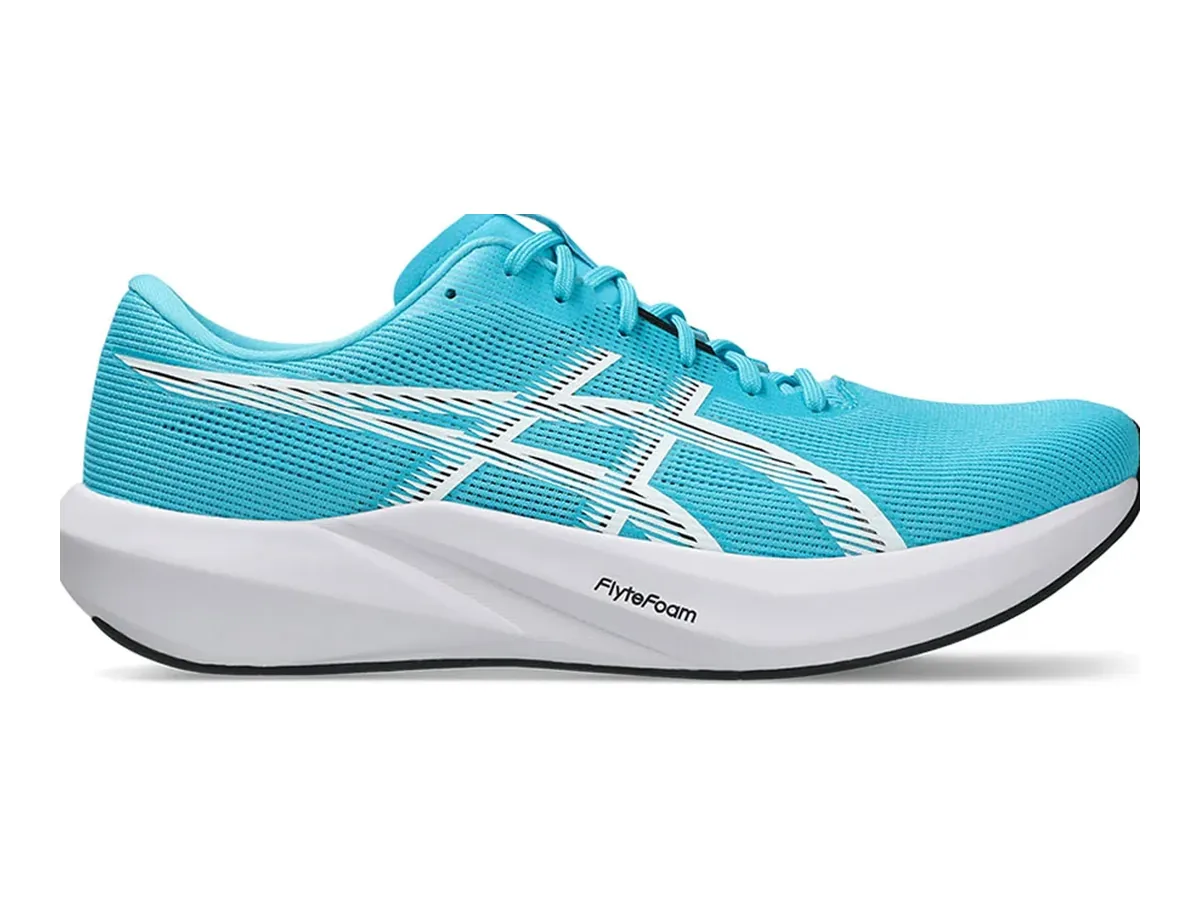
Hyper Speed 6
At ₹4,000 to ₹5,000 the Hyper Speed 6 is the best lightweight versatile workout shoe and I highly recommend it. At its ₹10,000 retail price I would not recommend it, because there are much better plated options.
TempoPuma
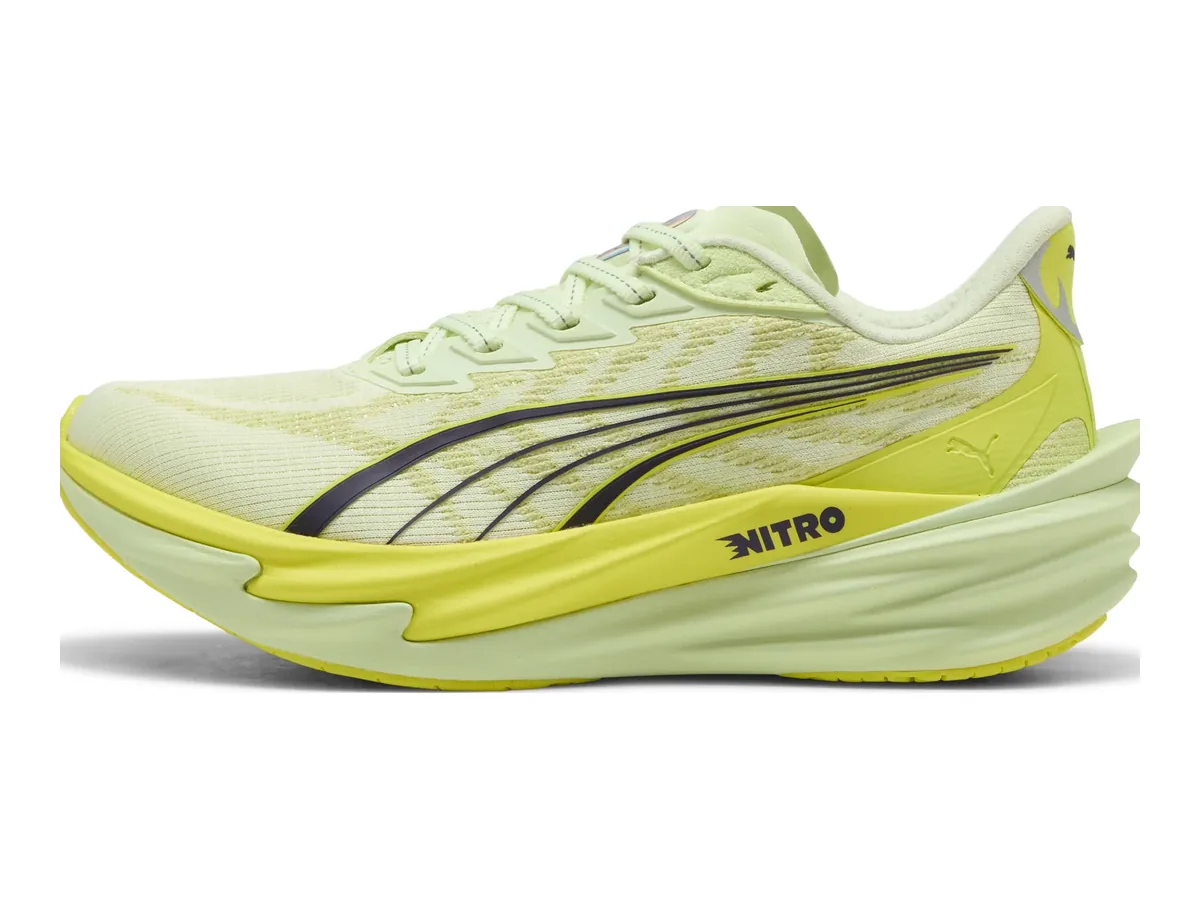
Deviate Nitro 4
The Deviate Nitro 4 is a decent carbon-plated offering that suited me better than the Magic Speed 5, soft at easy pace and responsive at 4:00/km. I would not pay ₹16,000 for it; it regularly sells for ₹10,000–11,000.
TempoASICS
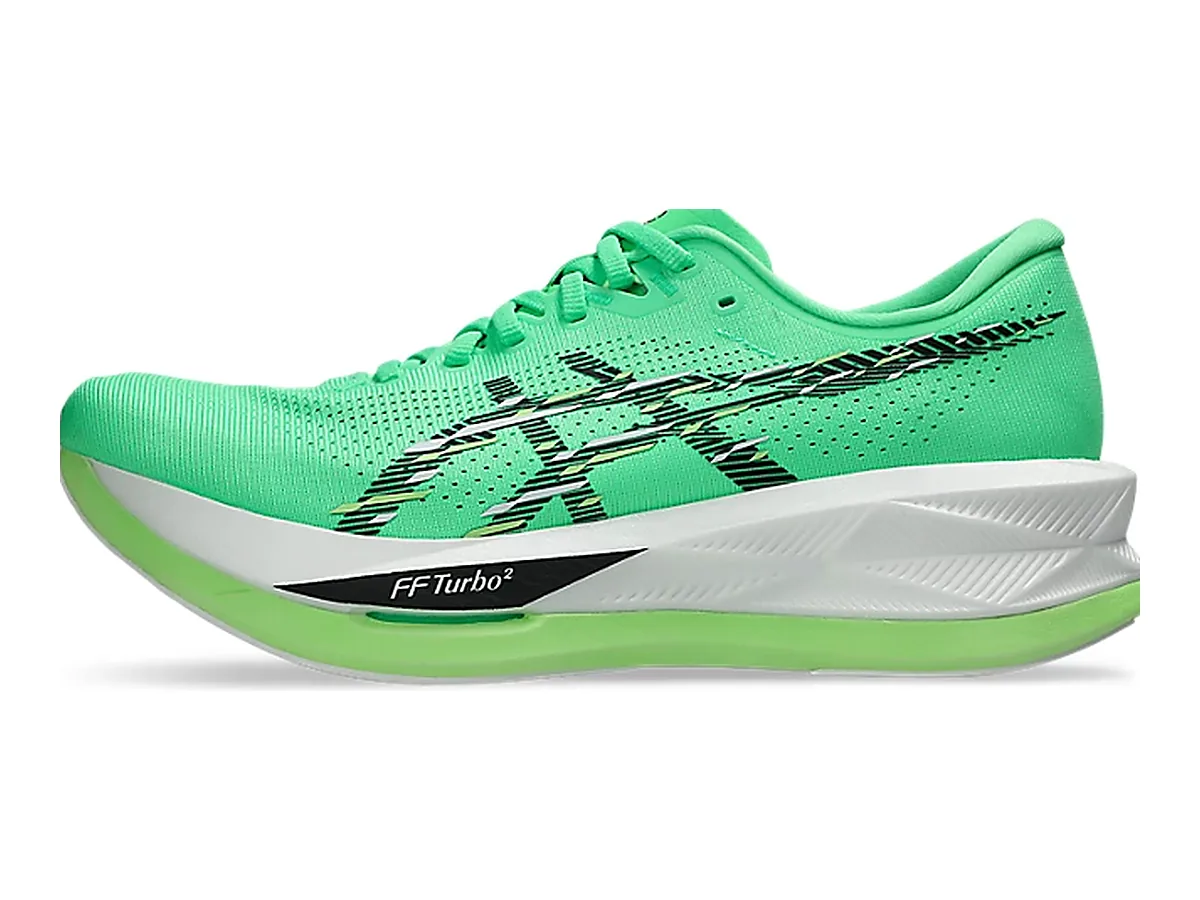
Sonicblast
The Sonicblast only works for runners at 3:30 to 4:30/km, or heavy neutral runners who want a firm, stable marathon shoe. I would not recommend it at ₹17,500, and only consider it at ₹10,000 to ₹12,000 on sale.
Not sure which one is right for you?
Answer 8 quick questions and get matched with shoes you can buy in India.