Decathlon
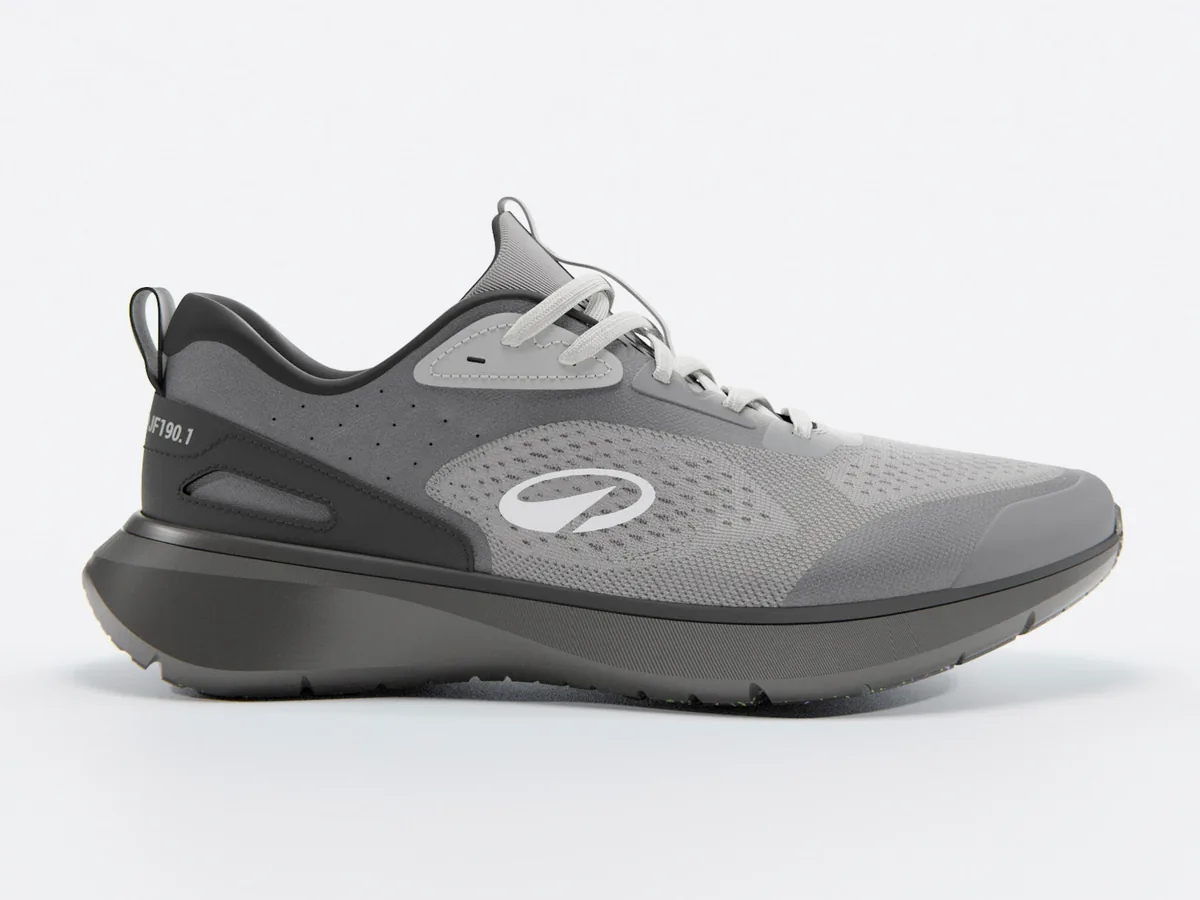
Kiprun JogFlow 190.1
A soft, stable, light beginner shoe for slow runs, with no energy return
Reviewed 3 Jan 2026, Balaji Manoharan
Expected sale price: ₹2,000
Some shop links earn me a small commission at no extra cost to you. It never decides a rating.
- Bought with my own money
My verdict
For a beginner running slowly at 7 to 10 min/km and building up to a half marathon, this is a soft, stable shoe worth considering. I rate it 6 at the ₹2,500 I paid, and 7 if you get it for ₹2,000.
Pros
- Nicely soft injected EVA midsole
- Light, about 230 g in UK 8
- Wide, stable forefoot base
- Excellent build quality for a budget shoe
- Good heel padding, no heel slip
- Durable, 400 to 500 km for light use
- Decathlon 6-month exchange policy
Cons
- No energy return
- Softness fades after 10 to 12 km
- Low 4 mm drop loads calves and ankles
- Gets warm after about 12 km
- Exposed midfoot outsole
- Not a stability shoe
- Not for fast running
Avoid if
Avoid it if you want to run at 4 to 5 min/km or you overpronate.
230g
Weight
5mm
Drop
25mm
Heel stack
20mm
Forefoot stack
Scores
Ride
6.5/10
The foam is nicely soft but has no energy return, and the softness faded after 10 to 12 km.
Design & Comfort
7.0/10
Build quality is excellent and the wide base is stable, but the upper gets warm after about 12 km.
Value
8.0/10
I rate it 6 at ₹2,500 and 7 at ₹2,000, with good durability and a 6-month exchange policy.
Watch the review
Specs
- Category
- Budget
- Heel stack
- 25 mm (brand spec)
- Forefoot stack
- 20 mm (brand spec)
- Drop
- 5 mm
- Weight
- 230 g (UK 8)
- Foam
- Injected EVA
- Support
- neutral
- Fit
- wide
- Sizing
- true to size
- Recommended runner weight
- About 73 kg
Full review
I bought the Kiprun JogFlow 190.1 for ₹2,500 and took it on an 18 km long run after a 10 km run. The injected EVA midsole is nicely soft, but there is no energy return. It is flat, with no rocker and no plate, so it never pushes you to go faster. After about 10 to 12 km the softness faded as the foam compressed. After a 5-minute water break it came back. Decathlon itself rates it for only 20 km a week. It is light, about 230 g in UK 8, with a 4 mm drop. The low drop puts a lot of work on your calves and ankles, so beginners should start with walking and build up slowly. The base is wide in the forefoot, so landings feel safe and stable. It is not a stability shoe, so if you overpronate you may get ankle discomfort. The polyester upper is fairly thick. Breathability was fine for 10 km, then I felt some heat after about 12 km. There was no rubbing. The toe box is low but has protective overlays. The non-gusseted tongue and long laces hold well, the heel padding is generous, and I had no heel slip. My usual size is UK 8 and I went UK 8.5 for more space. You can stay true to size, or go half a size up if your feet are wide. Build quality is excellent for a budget shoe. The outsole covers the forefoot and heel but the midfoot is exposed. For a light runner doing 20 to 25 km a week, I expect 400 to 500 km or more. Decathlon also offers a free exchange within 6 months if something goes wrong. My ratings: build quality 7, upper 7, midsole 6, design 7, outsole 6.5. Overall 6 at ₹2,500, and 7 at ₹2,000. It is not for 4 or 5 min/km running.
Alternatives
Other shoes worth considering. For a personal pick, try the shoe matcher.
BudgetRed Tape
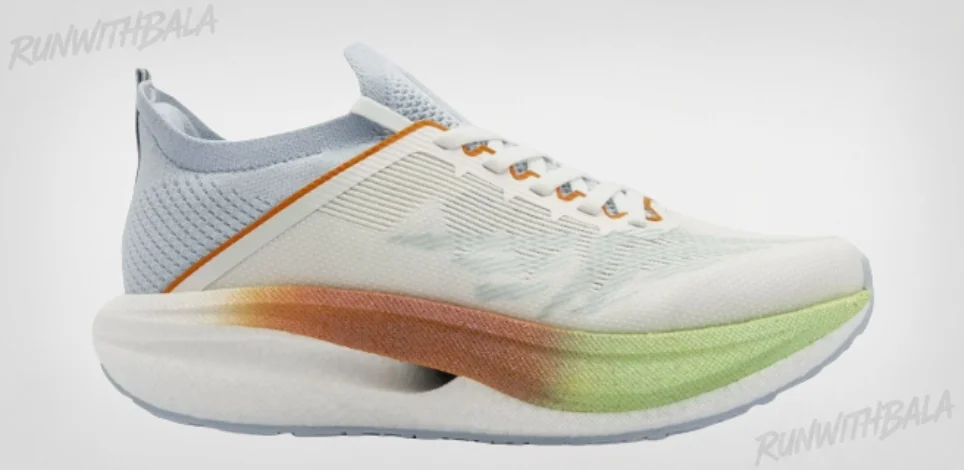
Pegasus / Flow+
Half-marathon racing at this price: a durable, responsive TPU midsole with a wider forefoot.
BudgetRed Tape
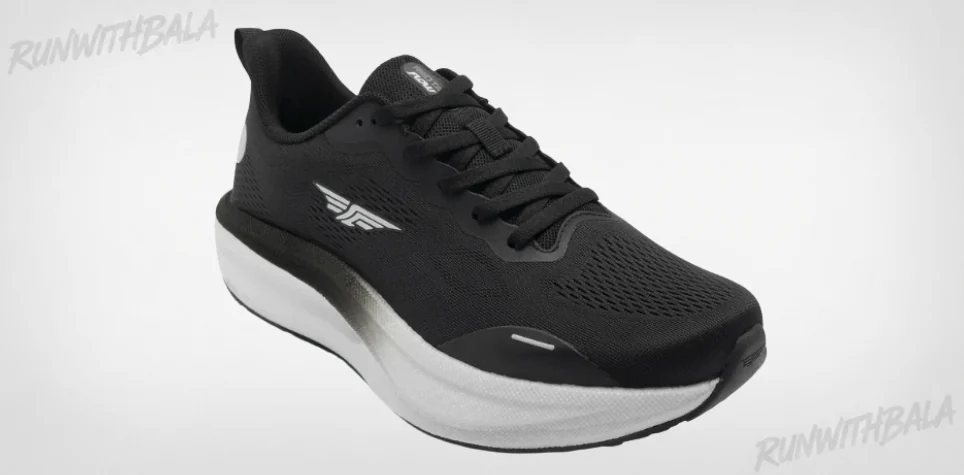
Pegasus / Flow+ 3
The perfect half-marathon shoe: an improved Flow+ with a normal upper, better lockdown and a runner's-knot eyelet.
BudgetASICS
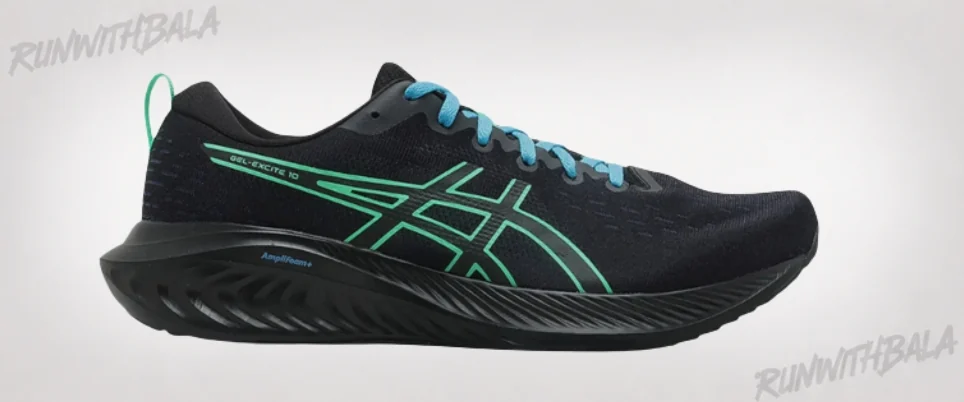
Excite 10
The best beginner shoe at this price: a firm heel counter, plush heel padding, a comfy upper and decent arch support.
Not sure which one is right for you?
Answer 8 quick questions and get matched with shoes you can buy in India.